Hurricane Season Checklist for Your HVAC and Ducts
A Central Florida checklist for your AC, ducts and dryer vent before, during and after a storm, with who to call for each issue.
The Atlantic hurricane season runs from June 1 through November 30, and in Central Florida it overlaps with the hottest, most humid part of the year. Even storms that stay well inland can bring heavy rain, wind and power outages to the Clermont area. Your air conditioner, ducts and dryer vent are easy to overlook when you're stocking water and batteries, but a little preparation helps them come through in better shape.
Before the season starts
Early summer is the right time for routine prep, before a storm is on the map.
- Schedule HVAC maintenance. Have an HVAC contractor check the system, clean the coil and drain pan, and confirm the condensate drain is clear. A system in good shape handles a stretch of hard use after an outage better.
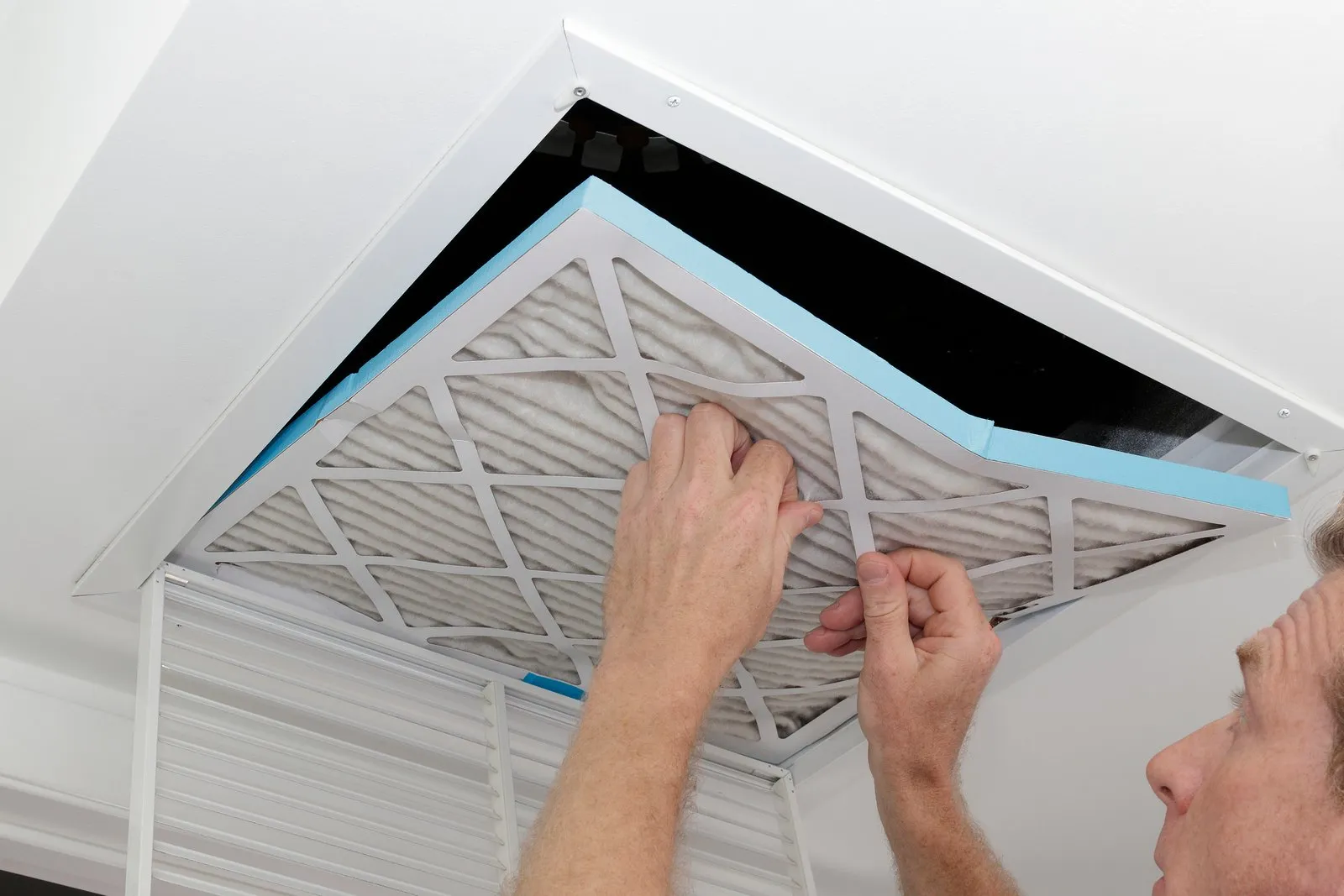
- Put in a fresh filter, and keep a few spares on hand so you don't have to shop after a storm.
- Know where your shutoffs are. Find the breaker for the outdoor unit and the air handler, and label them.
- Look at the outdoor unit's surroundings. Trim branches that hang over it, and plan where you'll store loose items like patio furniture, grills and planters so they can't be blown into it.
- Check the dryer vent exit. Make sure the outdoor flap opens and closes freely. A flap that's stuck open can let wind-driven rain in.
- Photograph your equipment. Pictures of the outdoor unit, air handler and model labels can help with insurance claims later.
When a storm is on the way
As a storm approaches:
- Secure outdoor items near the condenser.
- Pre-cool the house while you still have power, and close blinds to slow heat gain.
- Turn off the AC at the thermostat and the breaker if you expect flooding or the power company advises it. Power surges when the grid comes back can damage equipment.
- Don't wrap the outdoor unit in plastic and leave it running. If you cover it, the system needs to be off.
If you use a generator
Never run a portable generator indoors, in a garage or near open windows, doors or vents. Generators produce carbon monoxide, which can build up quickly and is deadly. Keep it well away from the house and make sure you have working carbon monoxide alarms. Follow the generator manufacturer's instructions for connecting appliances, and don't connect it to your home's wiring without a proper transfer switch installed by an electrician.
After the storm passes
Once it's safe to go outside:
Inspect before you restart. Walk around the outdoor unit and look for debris, bent fins, a shifted pad or standing water. If the unit was under water or visibly damaged, leave it off and call an HVAC contractor.
Check the air handler area. If water got into the garage, closet or attic where the air handler sits, don't turn it on until it's been checked.
Look at the attic. Roof leaks can soak flex duct and its insulation from above. Water stains on ceilings under duct runs are a clue.
Clear the condensate drain. Debris can block the outside drain outlet.
Restart carefully. When power is stable and everything looks dry and undamaged, restore the breakers and turn the system on. Listen for unusual noises and check that cool air is coming from the vents.
Water damage and your ducts
If water reached the ducts, the EPA advises that insulated ducts that get wet or moldy can't be effectively cleaned and should be removed and replaced. Bare metal ducts may be salvageable if they're structurally sound. Your HVAC contractor can tell you which is which.
If you see mold or smell a strong musty odor in the weeks after a storm, bring in a mold professional. Cleaning comes after repairs and mold work, not before.
Where duct cleaning fits
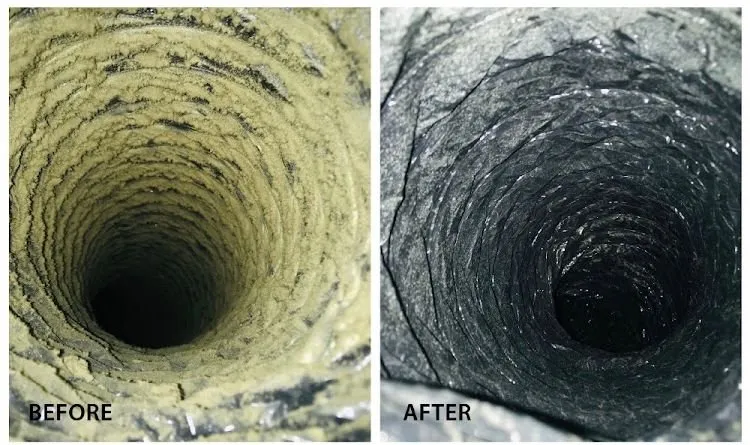
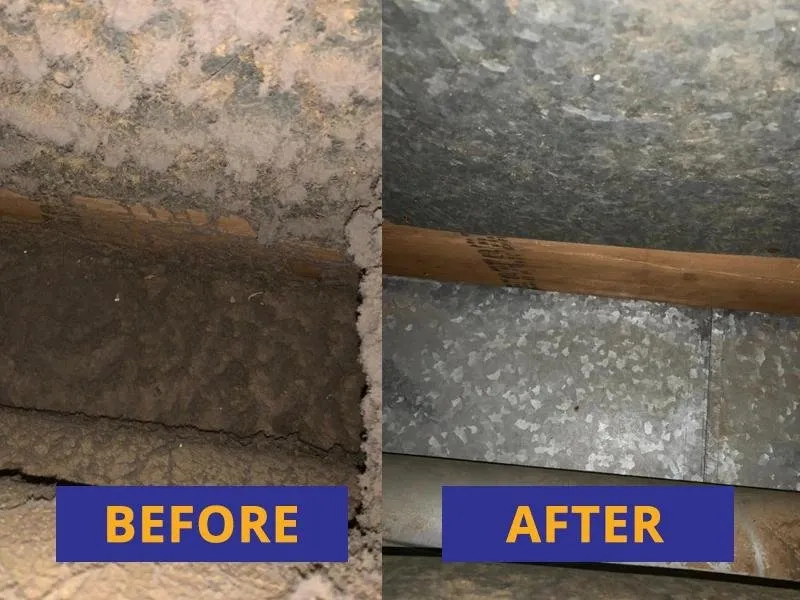
After repairs, roof work and drywall replacement, there's usually plenty of dust and debris left behind, some of it in the duct system. That's when air duct cleaning can help remove it. American Air Duct Cleaning Clermont offers basic cleaning at $199 for up to 10 vents, plus $29 for each additional vent. We don't repair ducts or service AC equipment, so we'll point you to the right professional for those steps.
The dryer vent after a storm
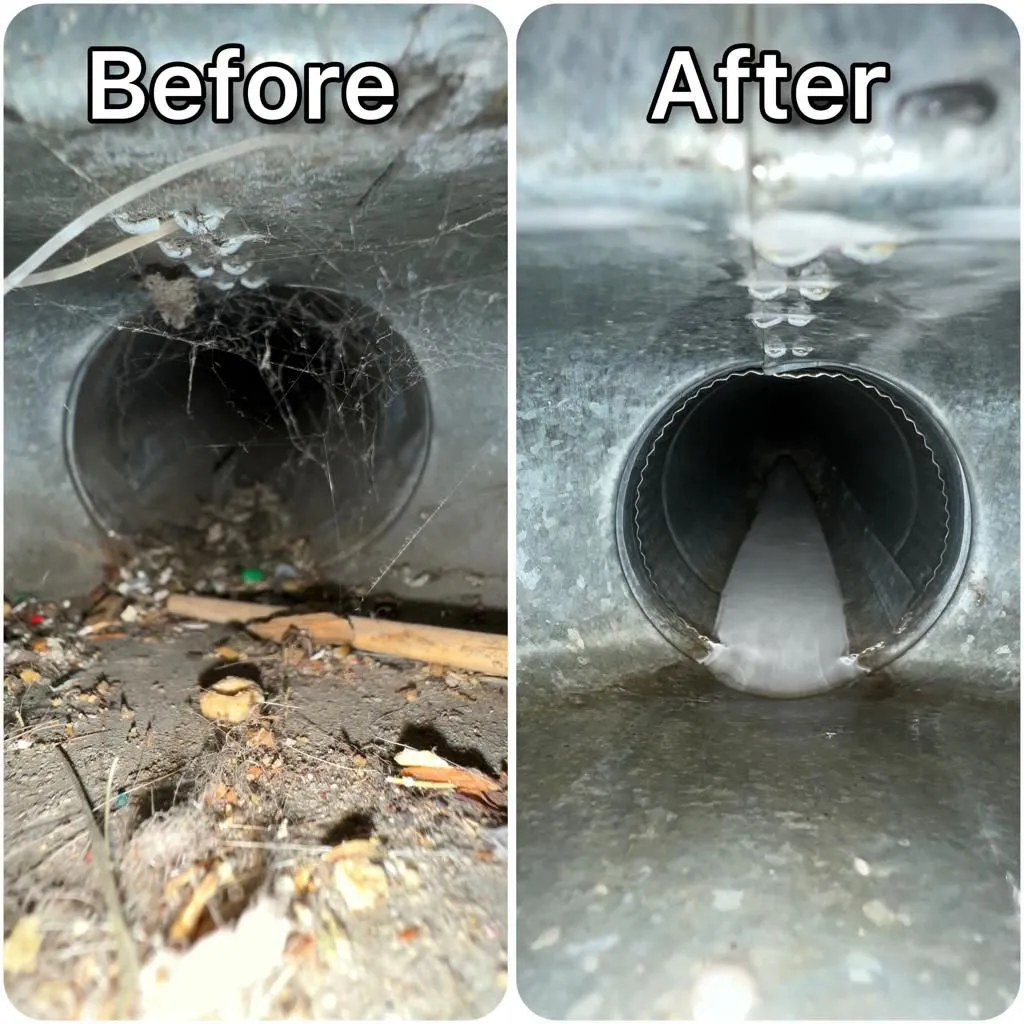
Wind can push leaves, debris and even small animals' nesting material into exterior vents. Before running the dryer, check that the outside flap opens and the opening is clear. If the vent took on water or drying seems slow afterward, dryer vent cleaning is $99 for up to 10 feet.
Keep the list handy
Print this checklist or save it on your phone. When the next storm heads toward Central Florida, you'll have one less thing to think about. For all of our services and prices, see the pricing page.