New to Florida? How Year-Round AC Changes Home Care
Moving to Central Florida from up north? How a system that cools most of the year changes your routine for filters, registers, humidity and the dryer vent.
If you've moved to Clermont from somewhere with real winters, you've probably already noticed: the AC doesn't take a season off here. Up north, you might have run the furnace for months and the air conditioner for a few summer weeks. In Central Florida, the cooling system runs for most of the year, and that changes how you look after your home.
Here's what's different and what to adjust, from the filter to the dryer vent.
The system works a lot harder
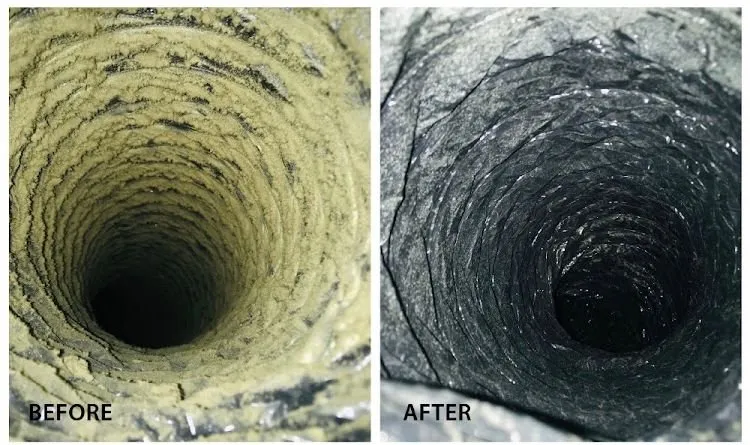
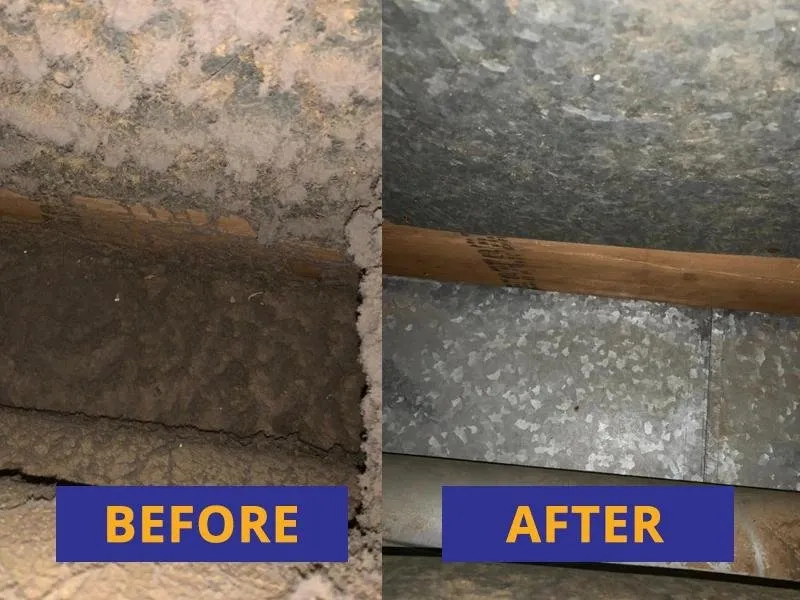
When the AC runs most days of the year, everything connected to it sees more use. More hours of airflow mean more household dust pulled through the return and more opportunities for dust to settle in the system.
That doesn't mean something is wrong. It just means habits that were fine for a part-time system may need to change. The biggest one is the filter.
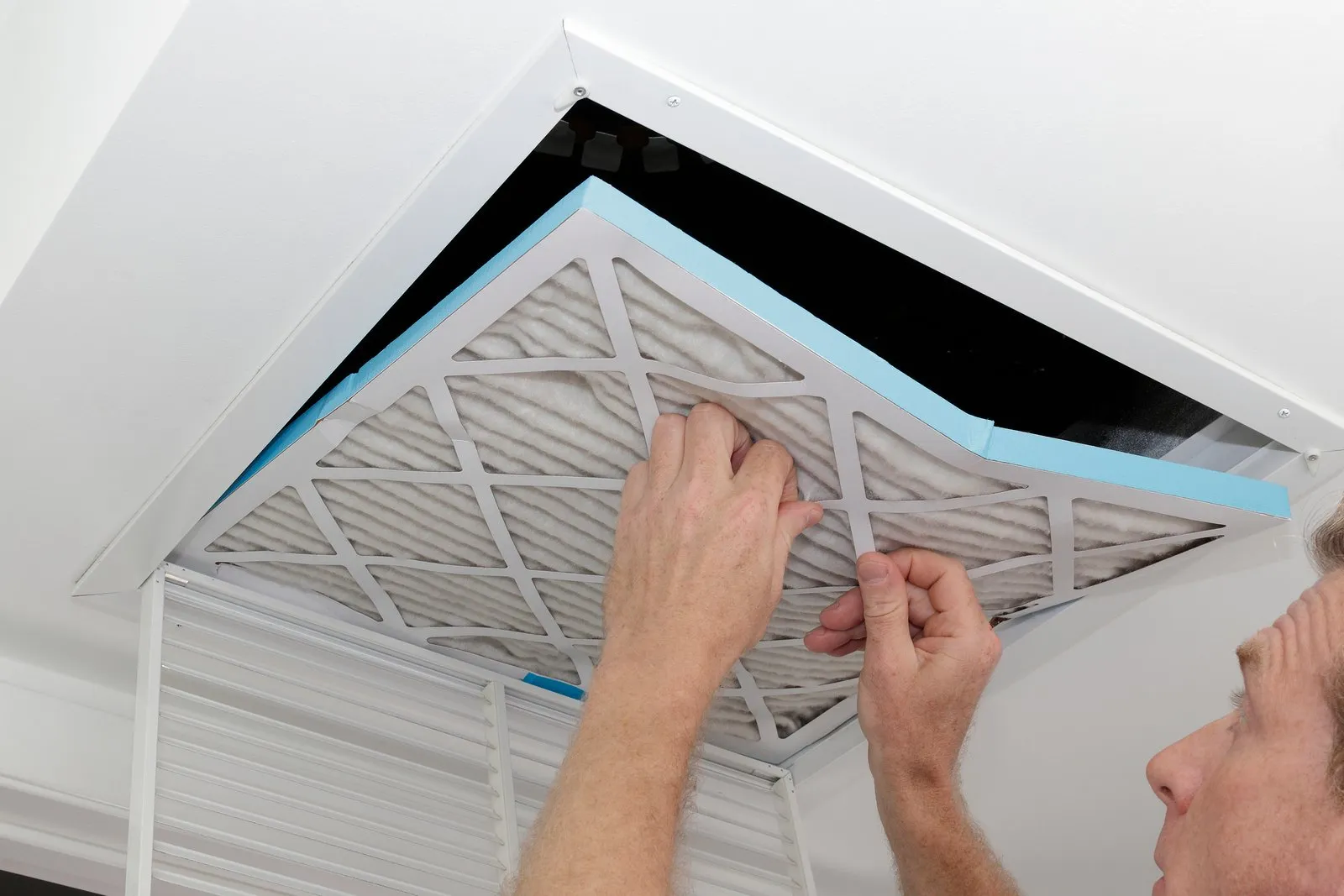
Rethink your filter routine
If you used to change the filter "when the seasons change," that schedule doesn't map well onto Florida. A few tips:
- Follow the manufacturer's recommendation for your filter and system, and check it more often at first until you learn how fast it loads up.
- Use the right filter. The EPA recommends the highest-efficiency filter your HVAC system's manufacturer allows.
- Find the filter. Florida homes often put the air handler in a closet, garage or attic, with the filter behind a large return grille or at the unit itself. It may not be where you're used to.
- Check for gaps. The EPA recommends making sure there are no gaps around the filter holder that let air bypass the filter.
Humidity is part of the picture
Northern homeowners often think about dry winter air. In Florida, the focus flips to moisture. Your AC removes humidity as it cools, and that moisture drains away through a condensate line at the air handler.
The EPA recommends keeping indoor relative humidity below 60 percent, ideally between 30 and 50 percent, and notes that an inexpensive humidity meter can measure it. If yours stays high, or you see water around the air handler, sweating vents or musty smells, call an HVAC contractor. The EPA notes that moisture should not be present in ducts. Coils, drain lines and system settings are HVAC work, not part of a duct cleaning.
Registers and returns
With the system running all year, take a few minutes every so often to:
- Vacuum return grilles so less dust gets pulled in.
- Keep registers open and clear of furniture, rugs and curtains.
- Look inside a register or two with a flashlight for heavy dust or debris.
If you see dust blowing from supply registers or heavy buildup inside, the EPA lists both among the situations where duct cleaning should be considered. Our air duct cleaning covers supply and return ducts and registers using rotating brushes and a HEPA-filtered vacuum. It's $199 for up to 10 vents, plus $29 for each additional vent. For runs that need extra attention, deep duct cleaning is $59.99 per vent.
Don't forget the dryer vent
Some things don't change with the climate. Dryer lint builds up in a vent whether you live in Ohio or Florida. Fire safety guidance from the NFPA, published by the U.S. Department of Energy, recommends cleaning lint out of the vent once a year, or more often if clothes take longer than normal to dry.
What may be different is the layout. Many Florida homes put the laundry in a garage, interior closet or hallway, and the vent may run through a wall or the attic to reach the outside. If you've just moved in, it's worth finding out where yours ends:
- Run the dryer and walk around the outside of the house to find the hood.
- Check that the flap opens and there's no lint, debris or nesting around it.
- Pull the dryer out and make sure the connector is metal and not crushed. The USFA recommends replacing plastic or foil venting with metal.
Our dryer vent cleaning is $99 for up to 10 feet, plus $15 for each additional foot, with inspection included. We clean through to the exterior hood and check the outside flap.
A first-year checklist
- Find the filter and set a reminder to check it.
- Learn where the air handler and condensate drain are.
- Find the dryer vent's exterior hood.
- Get a humidity meter.
- Note when the ducts and dryer vent were last cleaned, if the previous owner knows.
We also serve communities around Clermont; see our service areas.
If you're settling into a new home around FL, American Air Duct Cleaning Clermont can clean the ducts and dryer vent so you're starting fresh. Our full prices are on the pricing page.
Sources
- Should You Have the Air Ducts in Your Home Cleaned?, U.S. EPA, last updated February 19, 2026
- A Brief Guide to Mold, Moisture and Your Home, U.S. EPA, last updated February 18, 2026
- Clothes Dryer Fire Safety, U.S. Fire Administration, accessed October 22, 2026
- Clothes Dryer Fires in Residential Buildings (2008-2010), Topical Fire Report Series Vol. 13, Issue 7, U.S. Fire Administration, August 2012
- Clothes Dryer & Washing Machine Safety, NFPA, published by the U.S. Department of Energy, accessed October 22, 2026