Musty AC Smell in Humid Weather: Ducts, Coils and Drain Pans
A musty smell from your AC in Florida humidity usually starts at the coil, drain pan or drain line. Where to look and who to call.
You turn on the air conditioning and there it is: a damp, musty smell, a bit like a wet towel left in a gym bag. In Central Florida's humid weather, it's a common complaint, and many homeowners assume the ducts are to blame. Sometimes they play a part. More often, the source is in the equipment, where water is supposed to be handled and sometimes isn't.
Why AC systems deal with so much water
An air conditioner doesn't just cool air; it also pulls moisture out of it. As warm, humid air passes over the cold evaporator coil, water condenses on the coil, drips into a drain pan and leaves the house through a condensate drain line. In a climate like ours, that system handles a lot of water for months on end.
The EPA notes that condensation on or near cooling coils is a major factor in moisture contamination of HVAC systems. When water collects where it shouldn't, and dust is present, the conditions for musty odors and biological growth are there.
The usual suspects
1. The evaporator coil. Dust that gets past the filter sticks to the wet coil. Over time, that film can hold moisture and produce odors.
2. The drain pan. If the pan doesn't drain completely, standing water can sit there between cycles. Rust, cracks or a pan that isn't level can make it worse.
3. The condensate drain line. A partially clogged line backs water up into the pan. In some homes, a float switch shuts the system off when the pan fills; in others, the water may overflow.
4. Wet duct insulation. Ducts in hot attics can sweat on the outside if insulation is damaged or poorly sealed. If the insulation gets wet or moldy, the EPA says it can't be effectively cleaned and should be replaced.
5. Oversized or short-cycling equipment. A system that cools quickly and shuts off may not run long enough to remove moisture well, leaving the house feeling clammy.
Who to call for what
This is where it helps to separate the trades:
- An HVAC contractor should check the coil, drain pan, drain line, equipment sizing and duct connections. The EPA suggests asking your HVAC service provider to clean the cooling coil and drain pan as part of regular maintenance.
- A mold professional should assess and handle any visible mold, especially if it's widespread or keeps coming back.
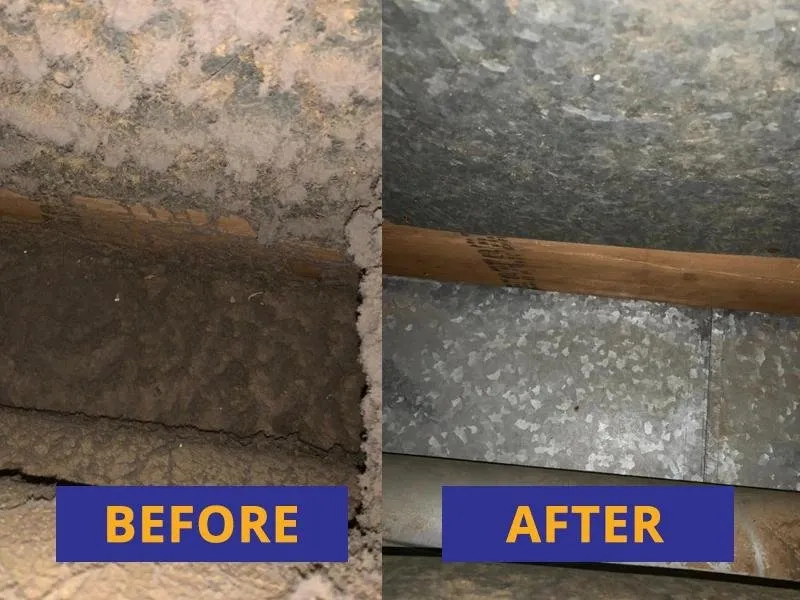
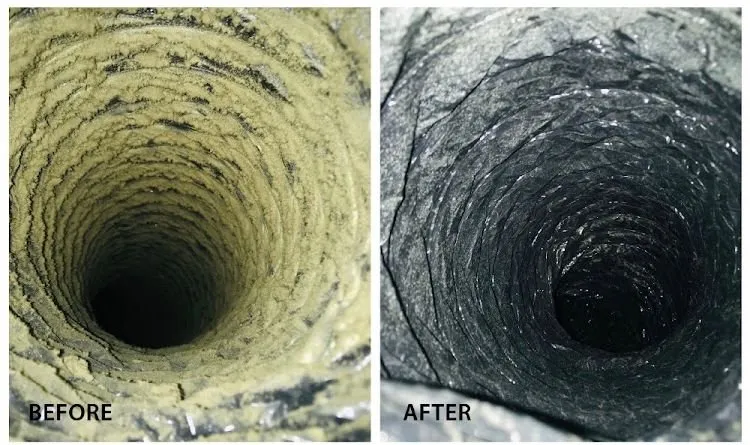
- A duct cleaning company can help remove built-up dust and debris from the duct system once the moisture source is fixed.
American Air Duct Cleaning Clermont cleans ducts and dryer vents. We don't repair HVAC equipment or clean coils. If you call us about a musty smell, we'll usually suggest starting with an HVAC contractor.
Why cleaning the ducts first doesn't work
If water is collecting at the coil or pan, cleaning the ducts doesn't stop the smell. The source is still there, and the odor will return. The EPA puts it plainly: if the conditions causing mold growth aren't corrected, the growth will recur. The order should be:
- Find and fix the moisture problem.
- Handle any mold with the right professional.
- Replace wet or damaged duct insulation.
- Then, if there's still dust and debris in the ducts, have them cleaned.
Things you can check yourself
You don't need tools to rule out some common causes:
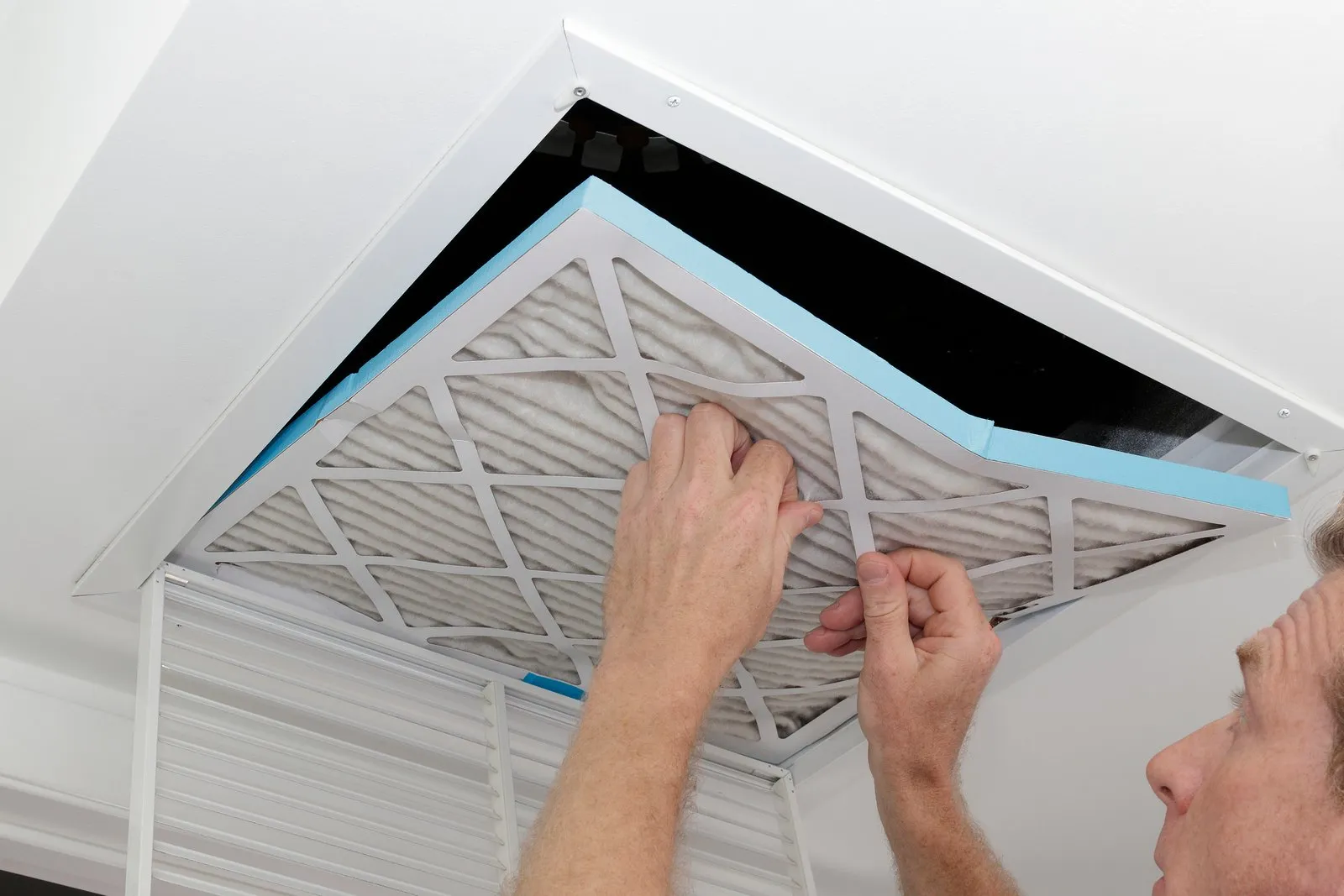
- Look at the filter. A clogged filter cuts airflow, which can make the coil colder and wetter.
- Find the condensate line outlet outside or near the air handler. When the AC is running on a humid day, water should drip from it regularly.
- Look at the drain pan if you can see it safely. Standing water or rust is a sign to call your HVAC contractor.
- Check the thermostat fan setting. Running the fan in "on" mode instead of "auto" can blow air across a wet coil after the compressor stops, which may push moisture back into the house.
- Notice when the smell happens. If it appears only at startup and fades, it often points to the coil or pan.
When ducts are part of the picture
Once the HVAC side is in good shape, a duct cleaning can make sense if you see heavy dust on registers, debris inside the ducts or dust blowing out when the system starts. Our air duct cleaning is $199 for up to 10 vents, plus $29 per additional vent. Homes with heavier buildup may need deep duct cleaning at $59.99 per vent.
Handled in the right order, most musty smells can be traced and fixed. Start with the equipment, then the ducts. For all of our prices around Clermont, FL, see our pricing page.